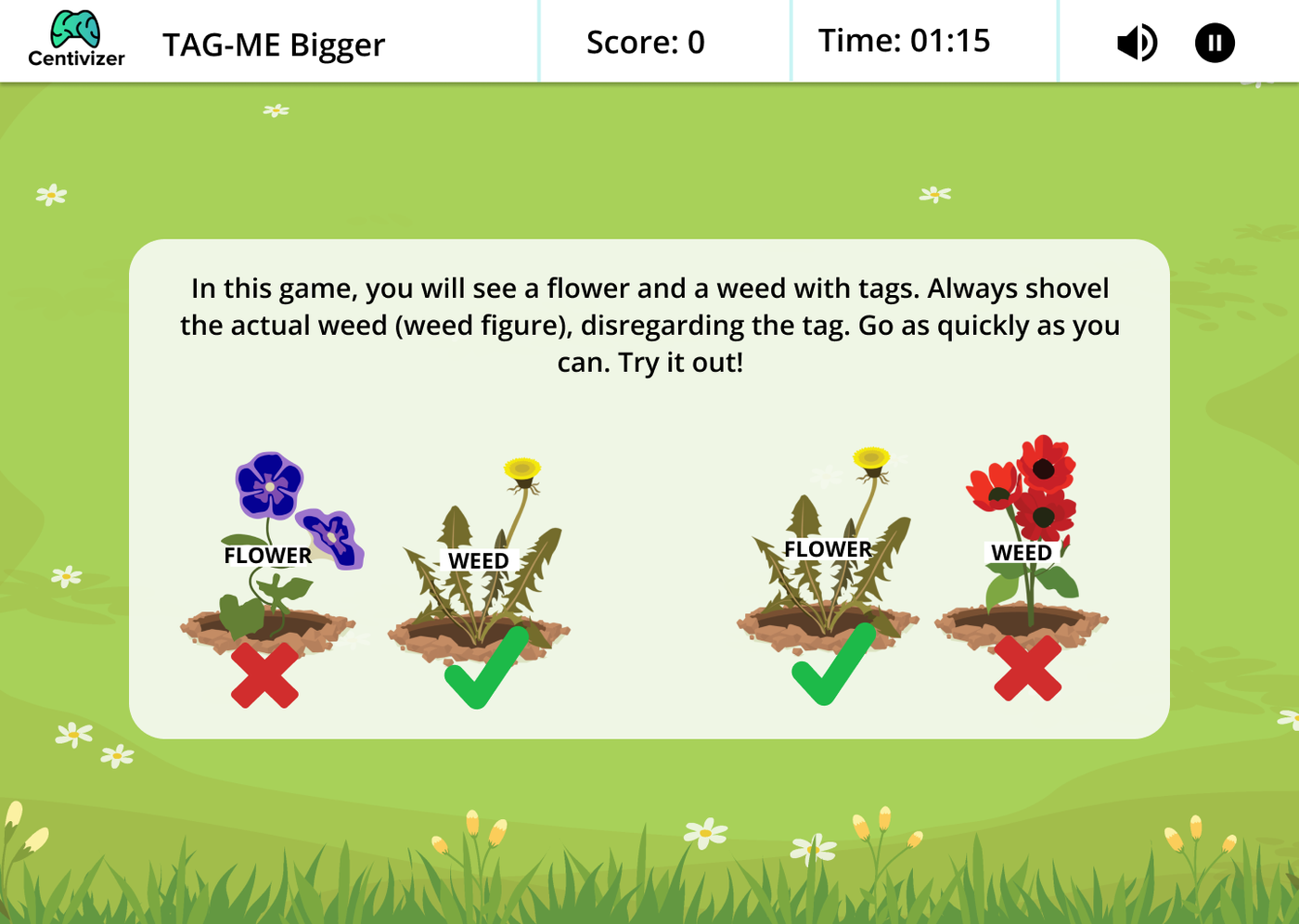
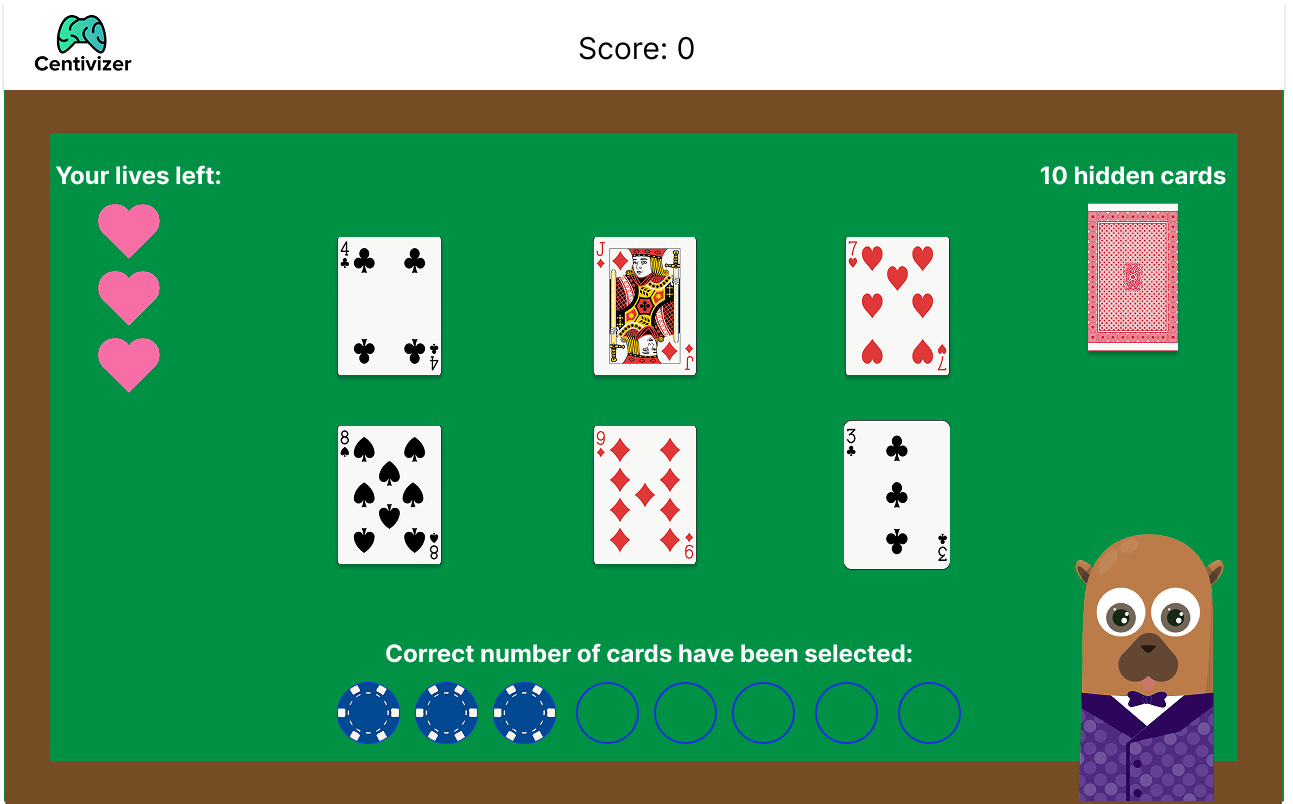
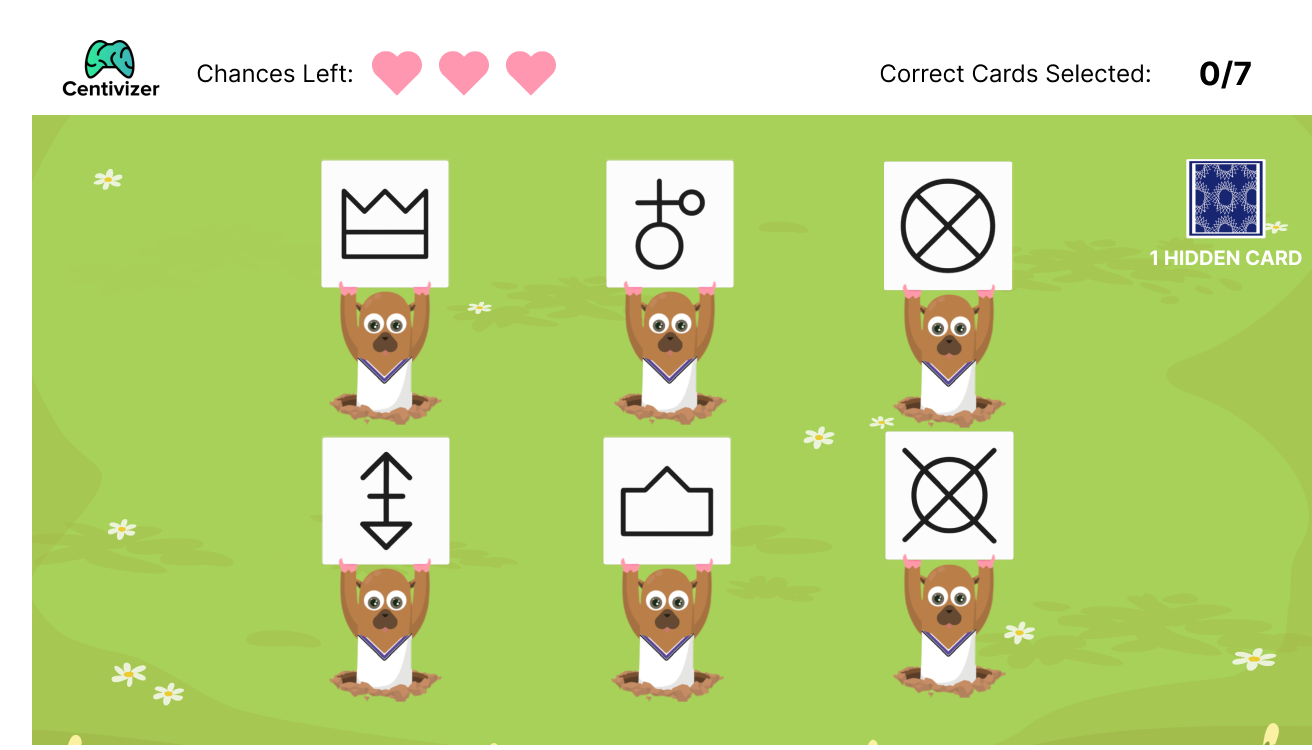
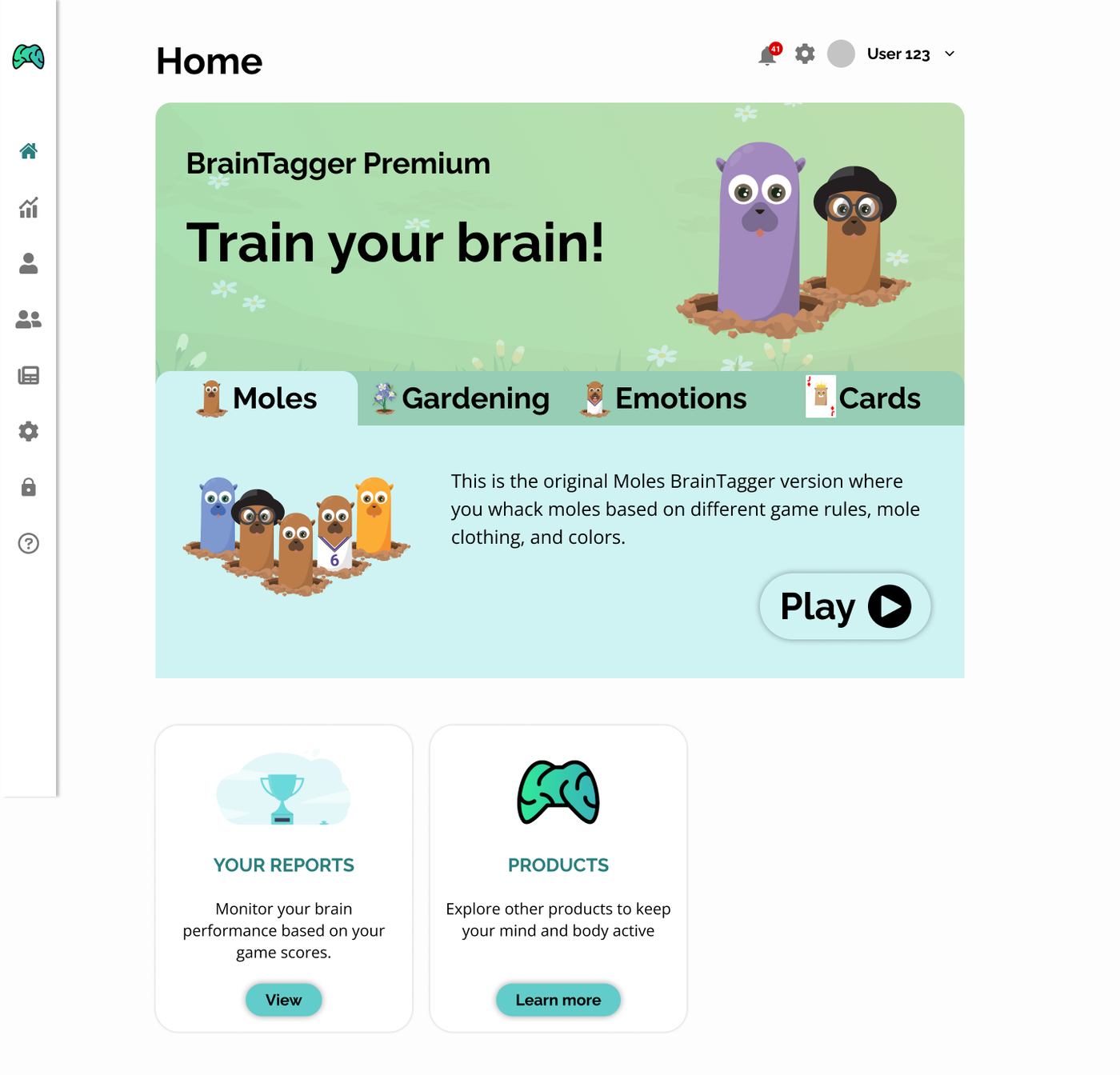
BrainTagger is a suite of serious cognitive-assessment games built on an arcade-style target-acquisition framework originally inspired by Whac-A-Mole. Each game changes the rules governing which targets users should select, remember, or avoid, transforming a familiar interaction into measures of processing speed, response inhibition, working memory, and cognitive flexibility. I helped evolve BrainTagger from an academic research prototype into a cognitive-assessment and analytics platform serving individuals, researchers, care organizations, and external partners.
Phase 1: Product Discovery and Scientific Foundation — 2019–2020
Rebuilt the product knowledge foundation: with no prior handover documentation, I interviewed previous contributors, mapped BrainTagger’s game logic, architecture, data schema, and frontend-backend flow, and created its first comprehensive reference for future team members.
Published the initial findings at a top-tier HCI conference: presented the early engagement challenges, international remote-study process, and need for additional gamification at CHI 2021 in “Monitoring Cognitive Performance with a Serious Game.”
Identified the central product-market-fit problem: conducted a longitudinal evaluation that revealed declining enjoyment and performance during repeated play, establishing sustained engagement as the primary barrier to ongoing cognitive assessment. The complete analysis was published in “Longitudinal Analysis of Sustained Performance on Gamified Cognitive Assessment Tasks.”
Phase 2: Engagement Design and Scientific Validation — 2020–2022
Designed an evidence-based retention strategy: developed four performance-feedback conditions and evaluated them in a three-week longitudinal study with 442 participants.
Improved enjoyment and repeated-use reliability: leaderboard feedback increased enjoyment by 25%, while self-comparison achieved the strongest test-retest reliability at 0.96.
Translated thesis research into shipped features: incorporated leaderboard and self-comparison feedback into the consumer analytics experience and published the results in Computers in Human Behavior.
Strengthened scientific credibility: conducted two studies with a combined 97 participants, confirming construct equivalence with an established cognitive measure and supporting research and clinical partnerships.
Established convergent validity for working-memory assessment: conducted two studies with a combined 97 participants, confirming construct equivalence with an established cognitive measure and supporting research and clinical partnerships. The findings were presented at AAIC Neuroscience Next and published in Applied Neuropsychology: Adult.
Phase 3: Platform Evolution and Market Expansion — 2022–2026
Scaled research and public adoption: grew BrainTagger to more than 1,500 users and 1,800 research participants across care homes, conferences, university studies, and partner organizations.
Led cross-functional product evolution at scale: coordinated more than 120 contributors across research, design, software, and hardware to deliver 25+ releases through build-measure-learn cycles, translating evidence into product and engineering requirements and contributing to 12 peer-reviewed publications.
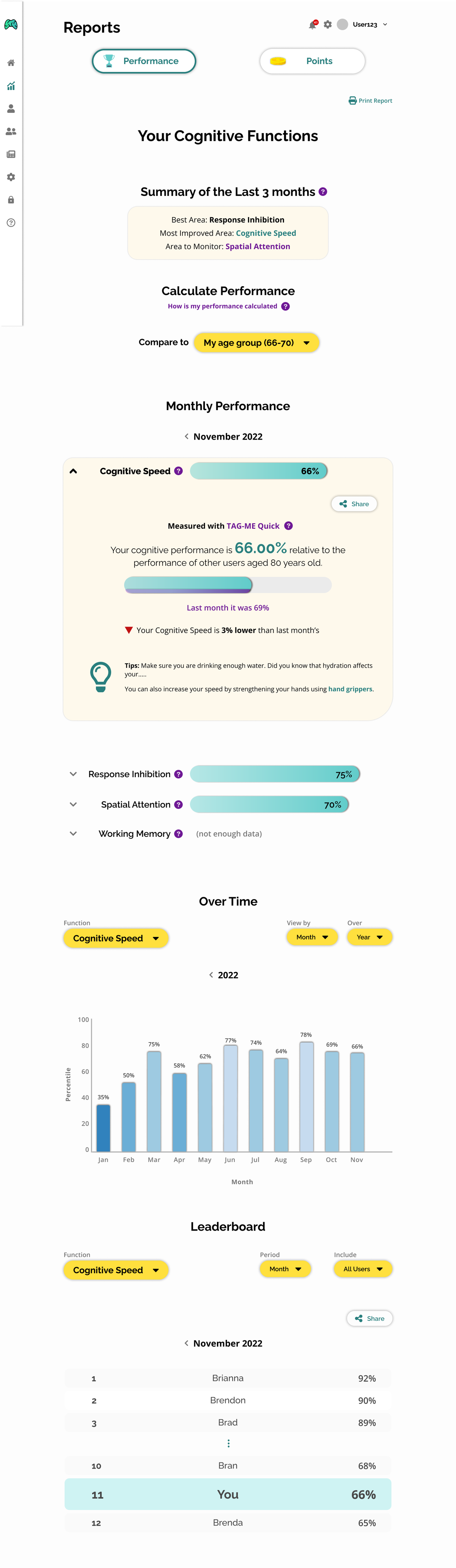
Built the consumer analytics roadmap: defined the free and premium tiers, including personalized reports, age-referenced percentile scores, leaderboards, and session-to-session comparisons, and coordinated delivery across UI, frontend, backend, and data teams.
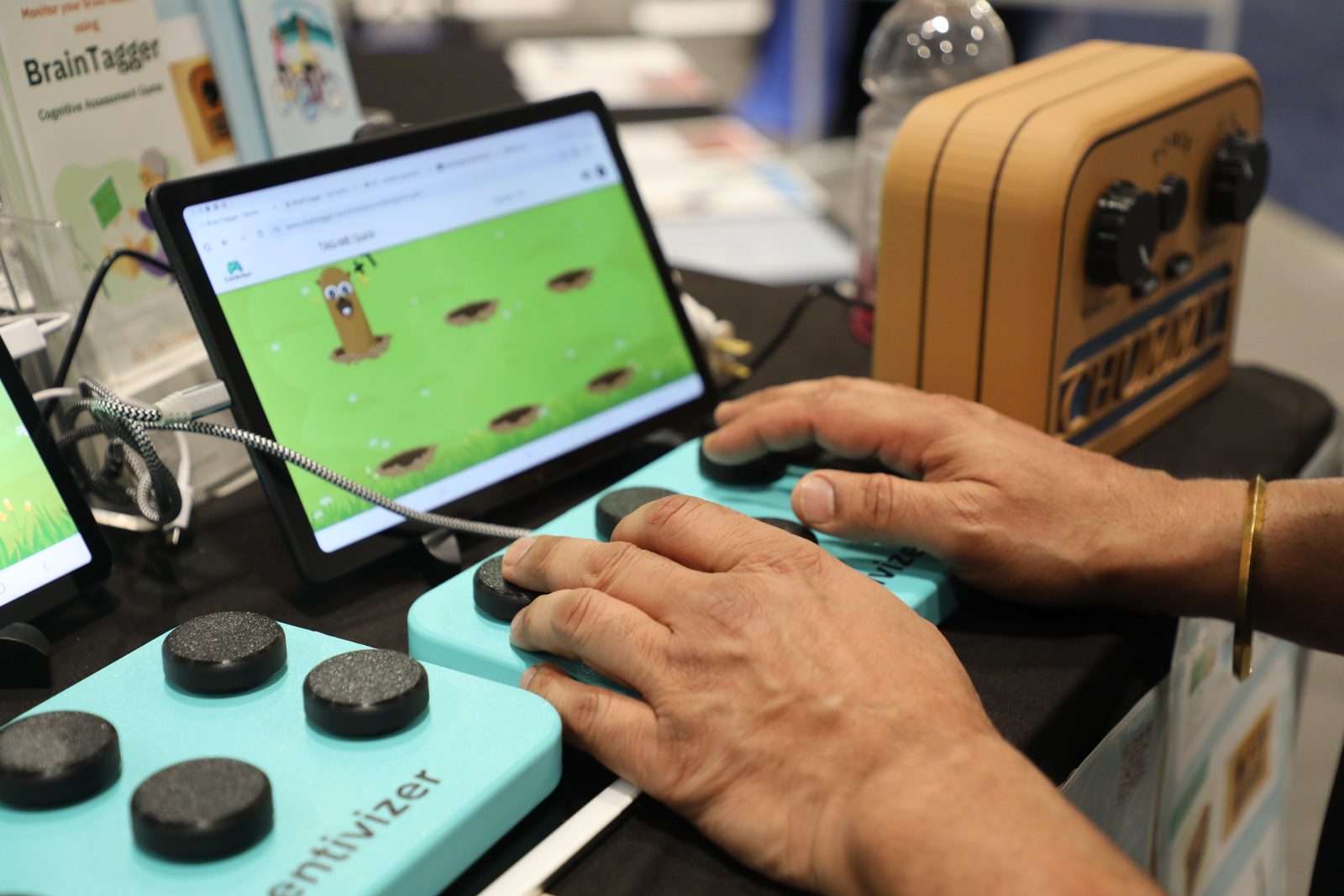
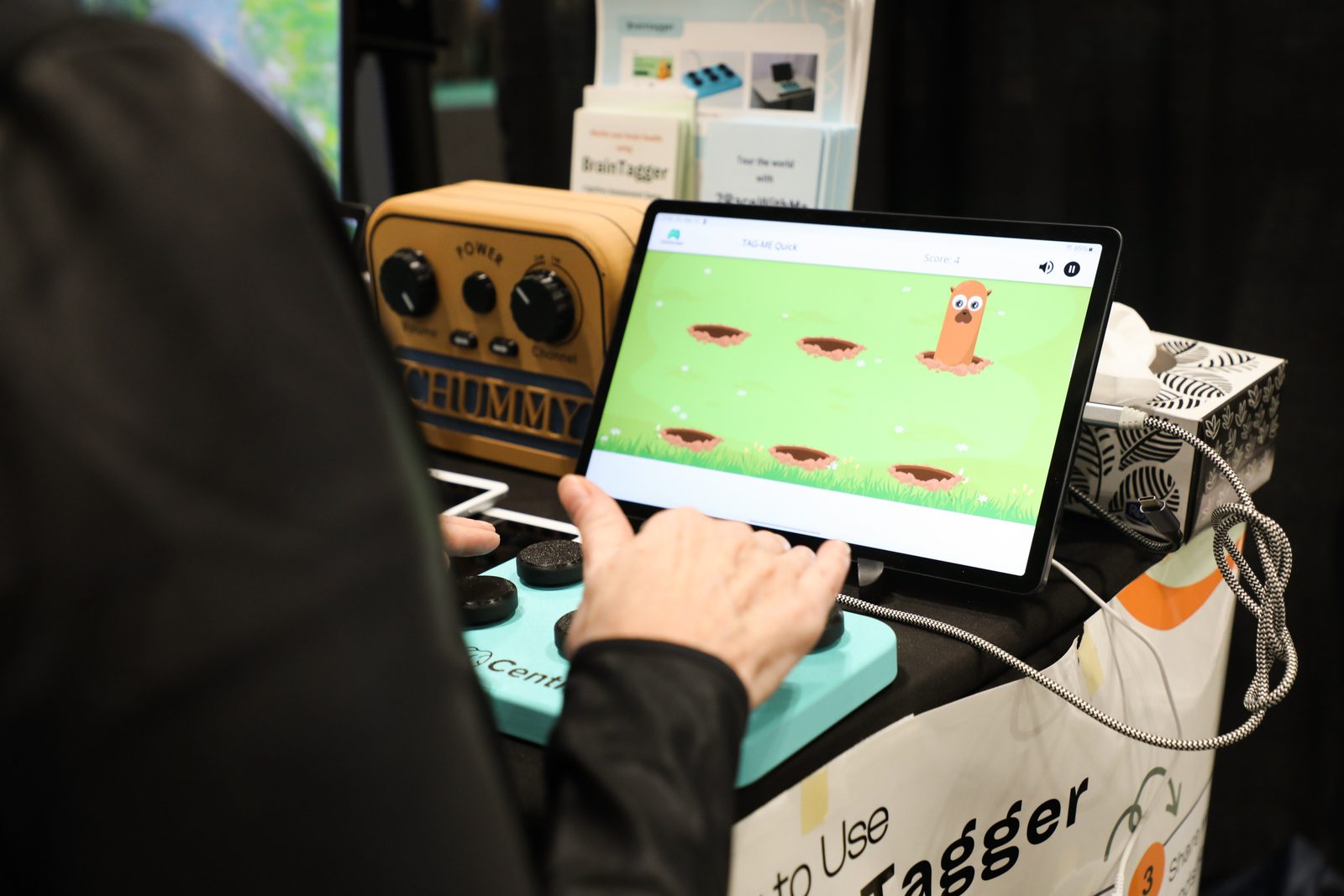
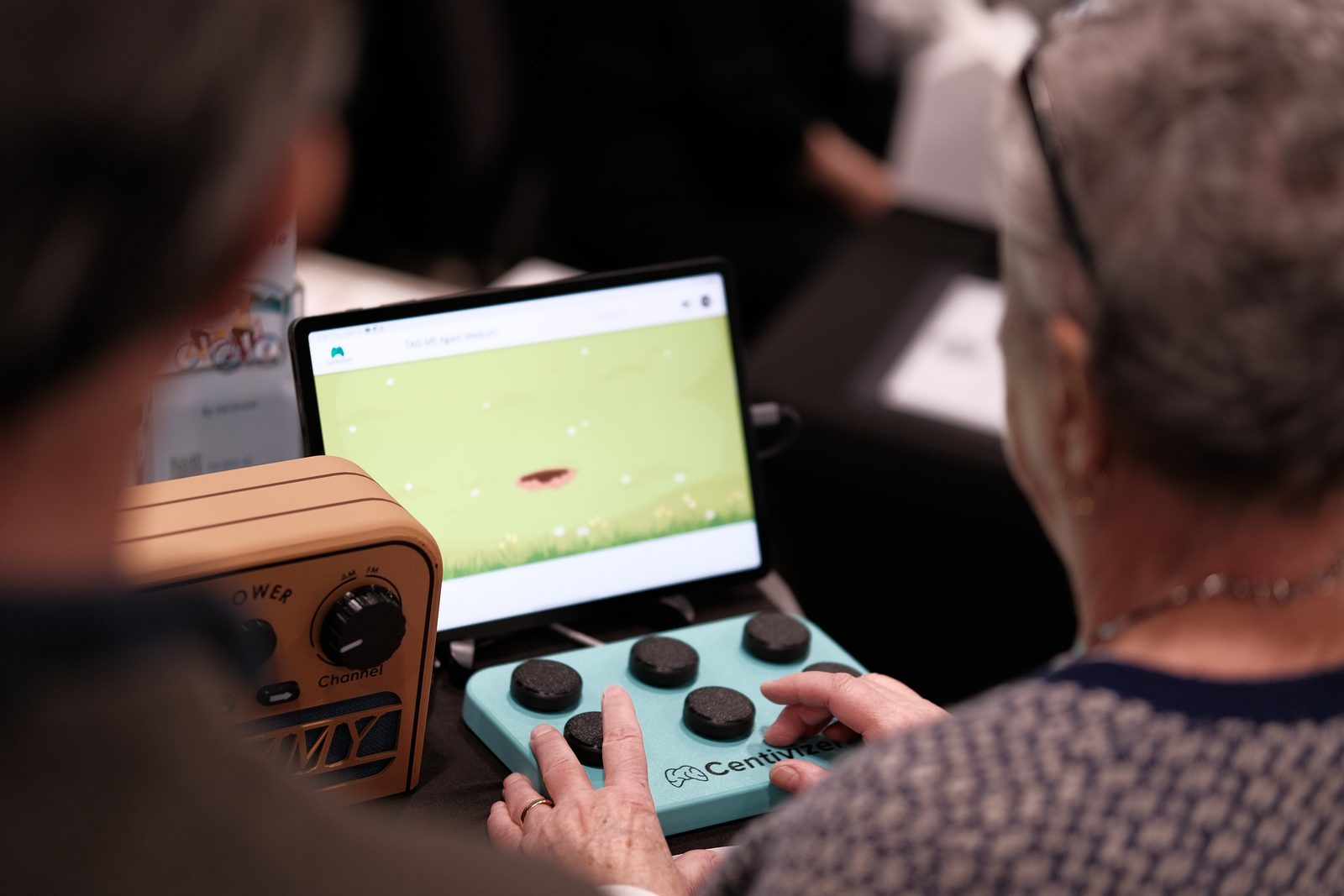
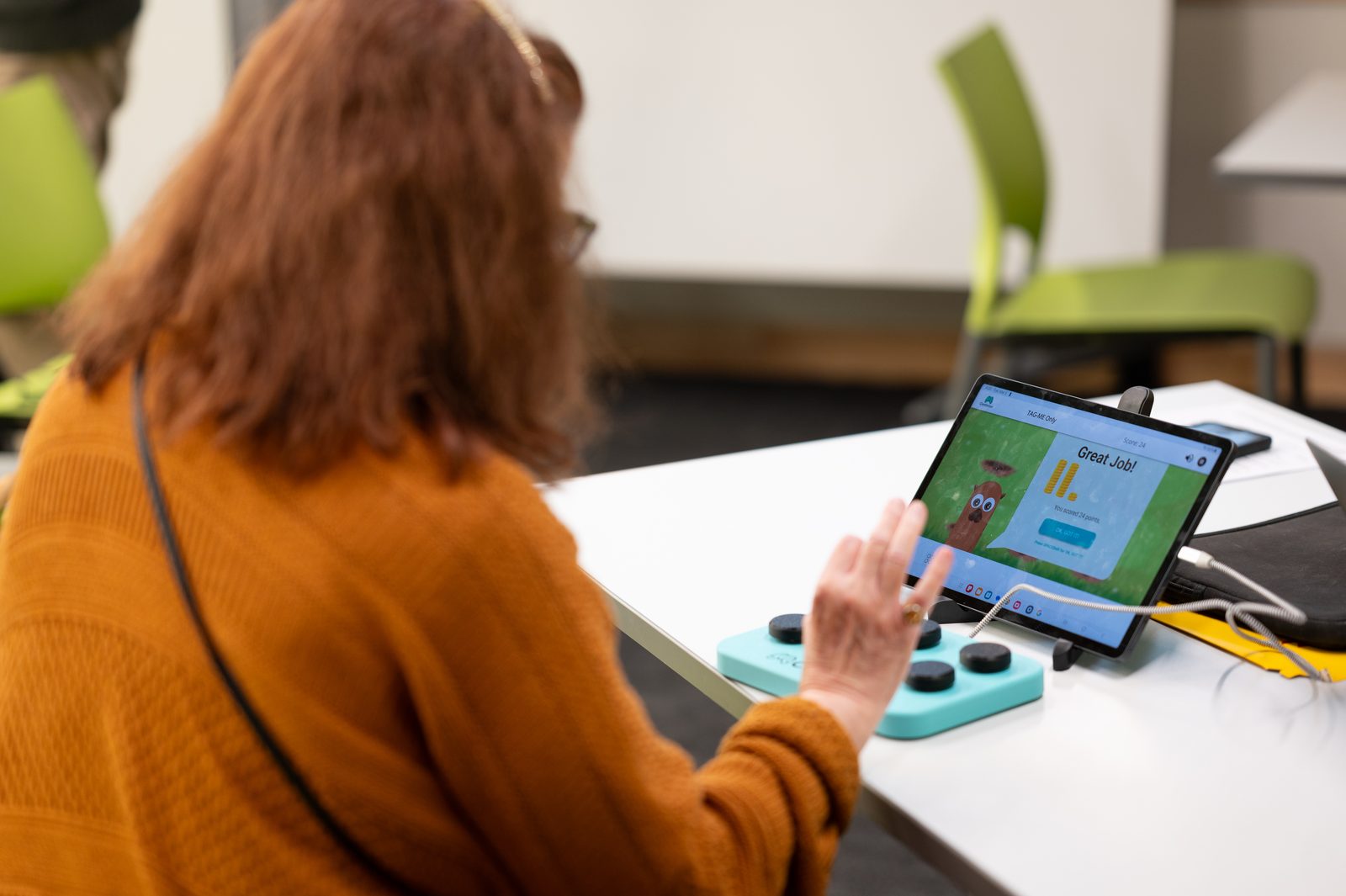
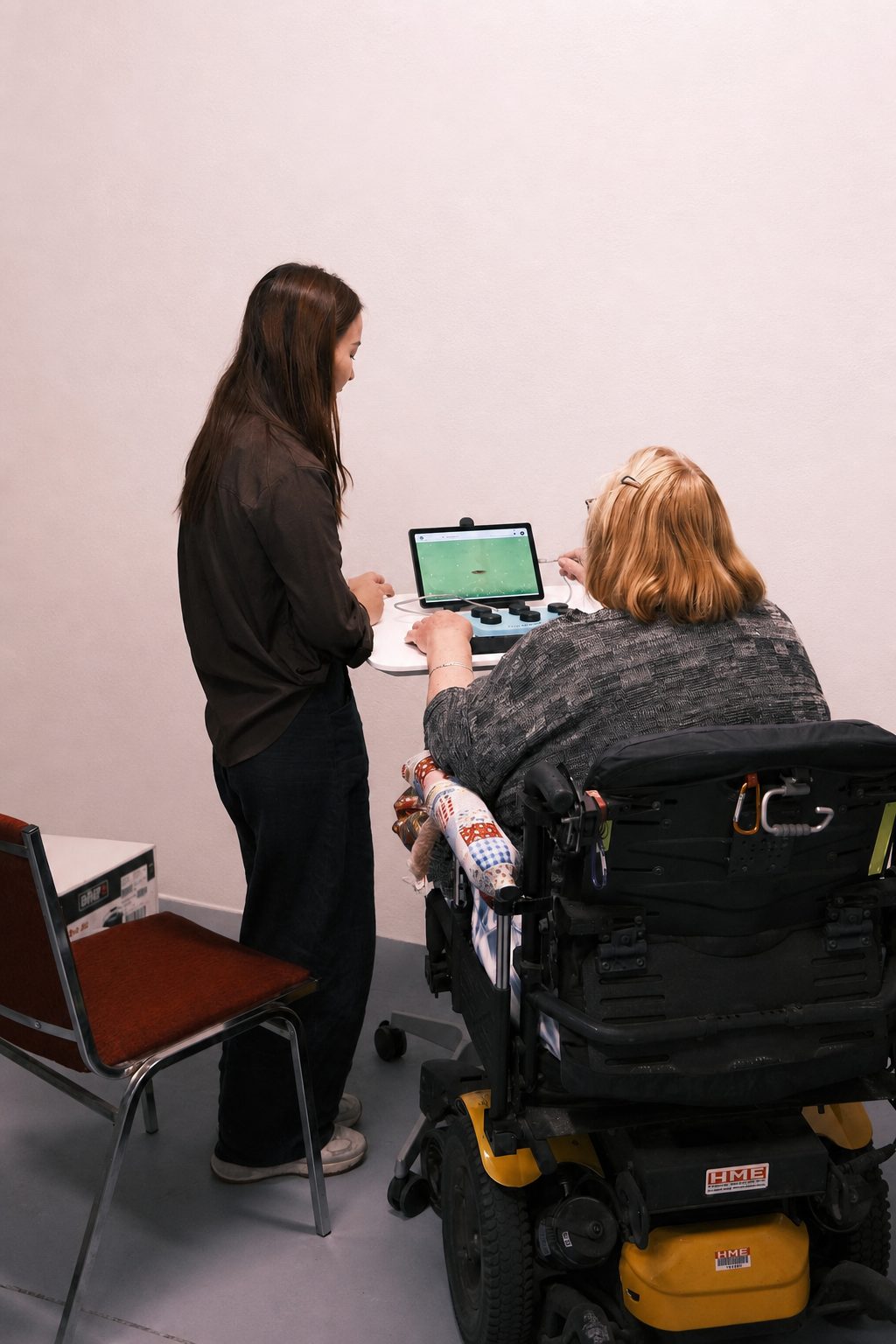
Users playing BrainTagger.
Plant versionCard versionAlchemy sign version
Graphics designed by Sinuo Gao and UI designed by Jinfeng Wu.YiFei Zhou, Project Manager and PhD candidate, teaching a resident at
City Park, Toronto, how to play BrainTagger.
Dashboard home — open full sizeDashboard report — open full size